



When mobility challenges begin affecting daily life, even familiar spaces inside the home can become difficult to navigate safely. Tasks such as climbing stairs, bathing, getting dressed or preparing meals may suddenly require assistance. For many older adults and individuals living with disabilities, an Occupational Therapist (OT) can provide valuable guidance on how to improve safety, comfort and independence at home.
As the Canadian Association of Occupational Therapy explains, “Occupational therapy is a type of health care that helps to solve the problems that interfere with a person’s ability to do the things that are important to them…Occupational therapists are trained to understand not only the medical and physical limitations of a disability or injury, but also the psychosocial factors that affect the functioning of the whole person – their health and their wellness.”
What happens during an OT home assessment?
An OT home assessment is designed to evaluate how people function within their living environments. It seeks to identify opportunities to improve accessibility. This type of home accessibility assessment can help reduce the risk of falls, recommend appropriate mobility equipment and suggest practical home modifications that make daily routines easier and safer. Preparing in advance for the assessment allows caregivers, family members and the Occupational Therapist to work together more effectively. It ensures the visit is as productive as possible.
Occupational Therapists evaluate how people move throughout their homes, how daily activities are performed and which barriers may be affecting independence. The OT may observe how an individual uses stairs, transfers from bed to chair, navigates the bathroom or accesses the kitchen. He or she may also assess lighting, flooring, furniture placement and the suitability of any existing mobility equipment.
Recommendations often include solutions such as grab bars, stair lifts, walkers, rollators, power lift chairs or home hospital beds depending on the person’s needs. The goal is to improve safety while helping the individual remain as independent and comfortable as possible within his or her own home.
What preparations should be made before an assessment?
Before the assessment takes place, caregivers should observe daily routines and identify areas where difficulties occur most often. Watching for challenges with balance, transfers, walking, bathing or dressing can provide valuable insight for the Occupational Therapist. It is also helpful to make note of any recent falls, near-falls or situations where the individual required unexpected assistance.
Caregivers should also prepare lists of medical conditions, medications and current mobility equipment before the appointment. Vision changes, dizziness, fatigue and medication side effects can all contribute to balance issues and fall risks. If the individual already uses equipment such as a cane, walker or wheelchair, the Occupational Therapist may want to evaluate whether it is still appropriate or fitted correctly.
What should be on a home safety checklist for caregivers?
Caregivers should begin by checking all walking paths throughout the home. Loose rugs, cluttered hallways, unstable furniture and exposed electrical cords can all increase the risk of falls. Ensure that traffic areas remain free of obstacles and that lighting is bright and fully functional throughout the home.
Caregivers should also ensure that commonly used items are easily accessible without excessive reaching, bending or climbing. This is especially important in kitchens, bedrooms and bathrooms where accidents frequently occur. It can also help to establish routines before the assessment.
March of Dimes Canada encourages caregivers to maintain daily routines, ask for help when needed and avoid taking on too many responsibilities alone. Their Caregiver Survival Checklist also emphasizes the importance of considering home modifications and assistive devices to improve safety and reduce caregiver stress.
How can you prepare the bathroom for an OT assessment?
Bathrooms are one of the most common locations for falls. Slippery surfaces, tight spaces and difficult transfers create challenges for many seniors and individuals with limited mobility. Before the OT visits, caregivers should assess whether grab bars are installed securely near the toilet and shower, whether non-slip mats are in place and whether lighting is adequate for nighttime use.
Shower benches, raised toilet seats and handheld shower heads are additional features that may improve safety and comfort. Families should also check that bathroom pathways remain clear and easy to navigate using walkers or wheelchairs if needed.
What safety considerations should be made in the bedroom?
The bedroom should support safe movement both during the day and at night. The Occupational Therapist will often evaluate how easily the individual can get in and out of bed and whether pathways remain clear. Nightlights, stable bedside tables and proper bed height can all contribute to safer movement. It is also important to ensure there is enough room for caregivers to assist safely when necessary.
For individuals with greater mobility limitations, adjustable home hospital beds may be recommended to improve comfort and reduce physical strain during transfers and repositioning.
What can you do to make stairways and entryways safer?
Reduced strength, arthritis, balance issues and fatigue can all make stairs difficult to navigate safely. Caregivers should ensure handrails are securely attached and that stairs remain free of clutter. Lighting should be available at both the top and bottom of stairways. Carpeting should be secure without loose edges.
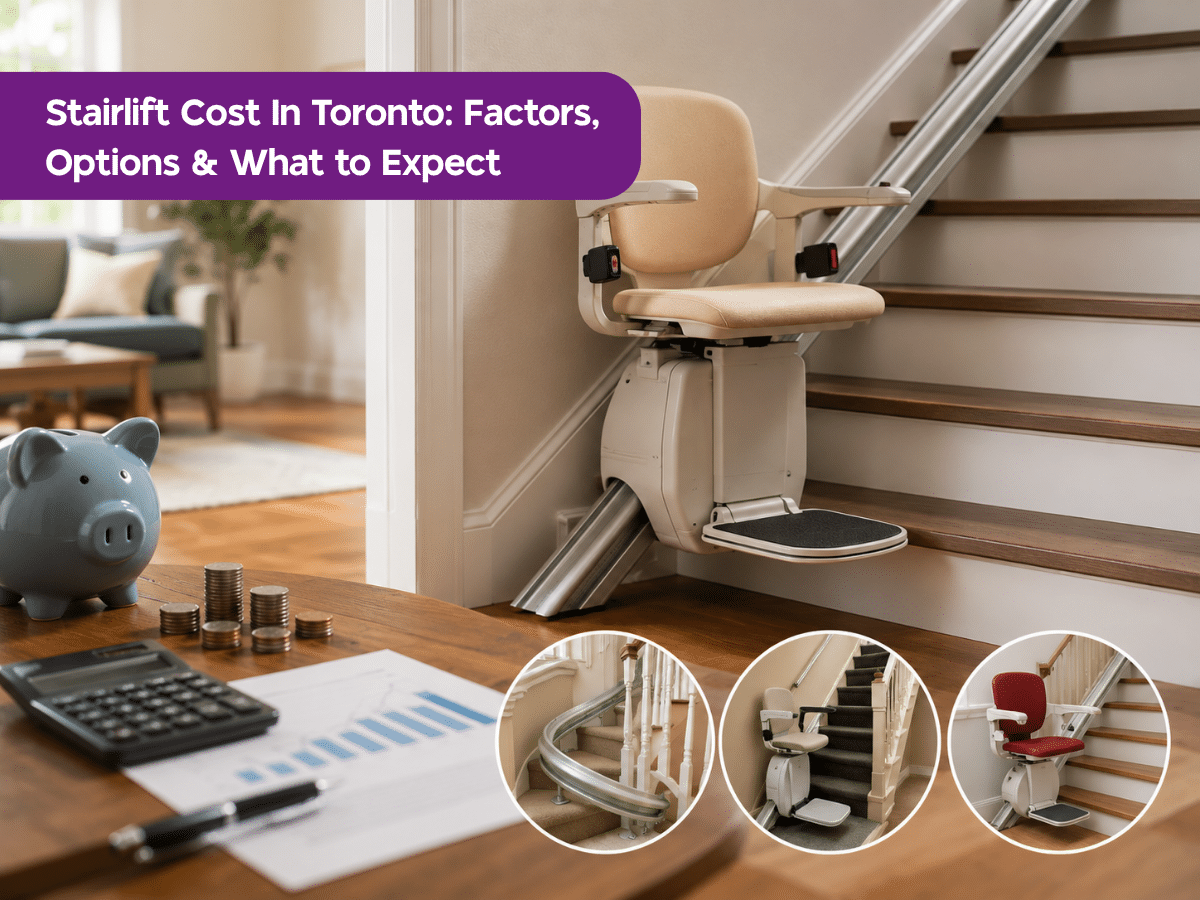
If stairs become too difficult or unsafe, the Occupational Therapist may recommend solutions such as stair lifts or porch lifts to improve accessibility while allowing the individual to remain safely in their home.
What can caregivers and seniors do to emotionally prepare for an OT home assessment?
Many older adults feel anxious about acknowledging mobility challenges or accepting assistance. Some worry that recommendations may reduce their independence. Families should approach the assessment as a collaborative process focused on maintaining comfort, dignity and quality of life. Occupational Therapists are there to support independence, not take it away.
Caregivers should also recognize their own emotional and physical needs. March of Dimes Canada encourages caregivers to take time for themselves, remain socially active and seek support when needed. Caregiving can be rewarding, but it can also become exhausting without proper support systems in place.
Frequently Asked Questions (FAQs).
What is included in an OT home assessment?
An Occupational Therapist evaluates how safely and independently an individual can function within his or her home. The assessment may include mobility, transfers, fall risks, bathroom safety, stair access and recommendations for mobility equipment or home modifications.
How long does a home accessibility assessment usually take?
Most assessments take between one and two hours depending on the size of the home and the complexity of the individual’s needs.
Who should attend the assessment?
Family members, caregivers and anyone involved in daily support should attend, if possible. Their input helps the Occupational Therapist better understand daily challenges and caregiving concerns.
What should I do before the OT arrives?
Clear pathways, identify safety concerns, gather medical information and make note of any mobility challenges or recent falls. Measuring doorways and stairways can also be helpful.
Can an Occupational Therapist recommend mobility equipment?
Yes. An OT may recommend walkers, wheelchairs, stair lifts, porch lifts, lift chairs, hospital beds or bathroom safety equipment based on the individual’s mobility and safety needs.
Why is an OT home safety checklist important?
An OT home safety checklist helps identify fall hazards, accessibility barriers and areas where modifications may improve safety and independence.
Are there funding options available for home modifications in Ontario?
Some government programs, insurance providers and community organizations may provide financial assistance for accessibility equipment or home modifications. An Occupational Therapist may help direct families toward available resources.
How can LifeCare Mobility Solutions help you?
As a locally owned and family-operated business with over 15 years of experience, LifeCare Mobility Solutions works closely with Occupational Therapists, caregivers and families to provide personalized mobility and accessibility solutions tailored to each client’s unique needs.
We offer high-quality stairlifts, walkers and rollators, wheelchairs, mobility scooters, home hospital beds and numerous bathroom modifications. To learn more, call us at 416-267-9800, email us at info@lifecaremobility.ca or fill out the form on our Contact page!