





Supporting a loved one as they age is both a privilege and a responsibility. For caregivers, one of the most common goals is helping older adults remain safe, confident and independent in the comfort of their own homes. This desire is known as aging in place. It has become increasingly important, especially as more Canadians choose to remain at home rather than transition into assisted-living facilities.
There are many benefits to aging in place. However, it’s vital to highlight the essential role mobility solutions play in maintaining independence. Trusted brands like Bruno, Handicare and Access BDD empower families with safe, reliable equipment. They all help to keep our elderly loved ones independent at home.
What are the top benefits of aging in place?
Emotional comfort and familiarity.
Home is so much more than just a physical space. A home is filled with meaningful memories, routines and personal belongings. Remaining in familiar surroundings can help reduce anxiety, confusion and stress. This is especially important for older adults who are managing cognitive decline.
Greater independence.
Independence is deeply tied to dignity. Aging in place allows seniors to make daily choices. We’re talking about such things as what to eat, how to spend their time and who to invite into the home. Maintaining these freedoms supports mental and emotional health.
Safety and reduced exposure to illness.
Staying at home limits your exposure to contagious illnesses. Naturally, this is especially important for seniors with compromised immune systems or chronic conditions.
Cost-effectiveness.
Compared to the rising cost of long-term care facilities, modifying a home with mobility aids can be significantly more affordable. Many mobility solutions, such as stair lifts and grab bars, provide long-term value at a fraction of institutional care costs.
Community and social connections.
Remaining in one’s community helps seniors stay connected to neighbours, local programs and support networks close to home.
What is the caregiver’s role in supporting independence?
Caregivers walk delicate lines between providing assistance and encouraging autonomy. As a caregiver, your support helps older adults continue to enjoy their home safely. However, you also enable their independence when you introduce practical tools, planning and resources.
A caregiver’s key responsibilities include monitoring mobility and safety needs as well as promoting physical activity and engagement. They also involve implementing home accessibility solutions, coordinating care with health professionals such as Occupational Therapists and providing emotional reassurance and patience.
But caregivers shouldn’t have to shoulder this alone. Mobility aids and assistive technology allow you to support your loved one while reducing physical strain and potential injury for both of you.
How do mobility aids support safe, independent living?
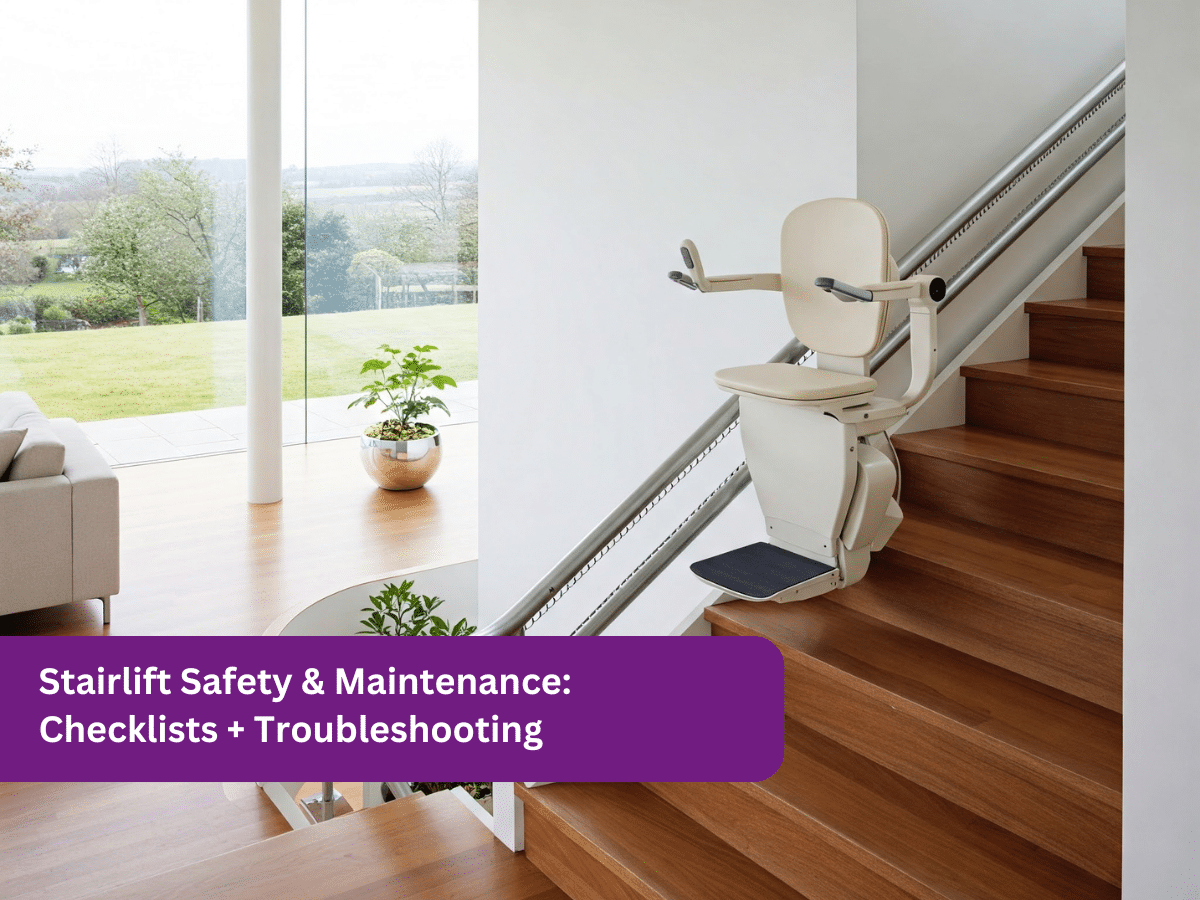
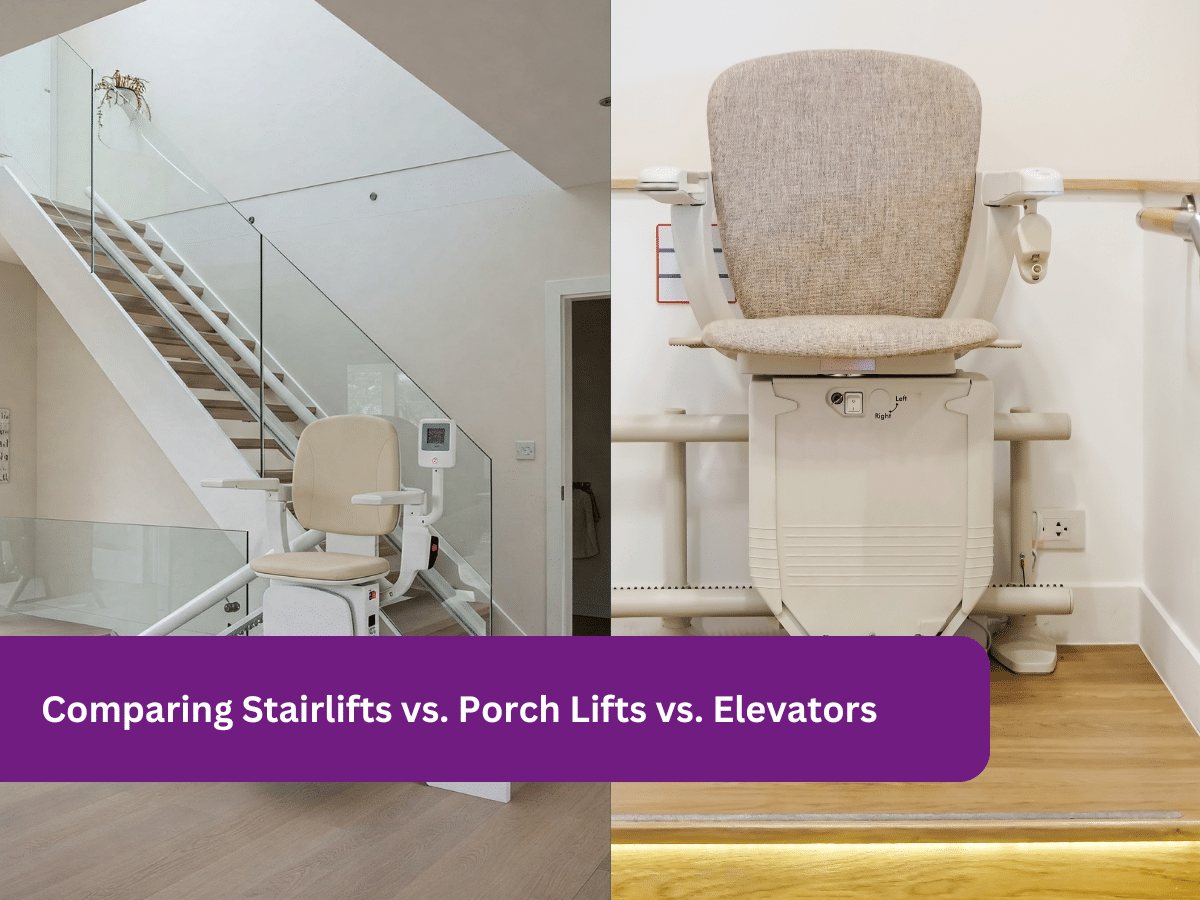
Mobility aids improve safety, confidence and independence by reducing fall risks and making daily tasks easier. These solutions are especially important in multi-level homes, where stairs, narrow hallways and uneven surfaces pose challenges. For many caregivers, one of the biggest concerns is stairs. Falls on staircases are one of the leading causes of injuries among older adults. A stair lift provides a safe and comfortable way to move between floors without risk.
Stair lifts benefit caregivers as well. They prevent the need for physically supporting a loved one on stairs and reduce the likelihood of caregiver injury. They also promote confidence and restore access to essential parts of the home. In addition to stair lifts, there are many devices that support daily safety and comfort.
Mobility scooters are excellent at promoting outdoor independence. Walkers and rollators enable greater balance and stability. Power lift chairs provide assistance with sitting and standing. Home hospital beds deliver greater sleep comfort and caregiver convenience. Wheelchairs improve mobility at home or in the community. Grab bars and other bathroom safety equipment offer slip prevention in the most slippery room of the home.
How important is it to work with carefully selected and proven manufacturers?
When a caregiver invests in mobility equipment, the quality and reliability of the brand matter. This is why LifeCare Mobility Solutions works with the industry’s top names in helping aging adults stay independent at home.
Bruno.
Bruno is one of North America’s most trusted manufacturers of stair lifts. They’re known for comfort, durability and long-term reliability. The company’s stair lifts are engineered for smooth, quiet operation and include customizable features to suit different home layouts. Bruno products are particularly valued for high safety standards, battery-powered operation that works even during outages, comfortable seating and ergonomic controls.
Handicare.
Handicare stair lifts are designed with caregivers in mind. They offer features like easy-to-use controls, space-saving rail systems and models that work well for narrow or curved staircases. Handicare also prioritizes safety with secure harnesses, obstruction sensors and smooth start/stop technology.
Access BDD.
Access BDD provides innovative stair lift designs that emphasize long-term performance and customizable installation options. Their lifts are known for sleek design, quiet travel and user-friendly features. This makes them ideal for homeowners seeking both function and aesthetic appeal.
Frequently Asked Questions (FAQs).
How do I know if my loved one needs a stair lift?
If they avoid the stairs, show signs of fatigue, experience balance issues or express fear of falling, a stair lift can greatly improve safety and independence.
What brands of stair lifts are most reliable?
Bruno, Handicare and Access BDD are industry leaders known for durability, safety and smooth performance. LifeCare Mobility Solutions proudly offers these brands.
Will a stair lift fit my home’s staircase?
Yes. Most straight, curved, narrow or multi-level staircases can accommodate a stair lift. Our team provides free in-home assessments to determine the best fit.
Do mobility aids require maintenance?
Regular maintenance ensures safety and extends the lifespan of equipment. We recommend annual check-ups or more frequent service for high-use devices.
Are mobility solutions covered by insurance or funding programs?
Some equipment may qualify for partial funding or reimbursement depending on eligibility. We can help guide you through available programs.
What other mobility aids help with independent living?
Popular choices include walkers, rollators, mobility scooters, wheelchairs, lift chairs and support rails.
How quickly can installation be completed?
Most stair lifts can be installed within a few hours once the equipment arrives. Straight stair lifts typically have the fastest turnaround time.
Contact us today!
The LifeCare Mobility Solutions team would like to take this opportunity to wish you all a very happy holiday season! If you’re a caregiver looking for ways to help a loved one remain at home longer and with confidence, we are here to support you every step of the way. Please don’t hesitate to call us at 416-267-9800 or email us at info@lifecaremobility.ca. You may also contact us by filling out the form on our Contact page!