



Creating a safe and accessible home environment is an important priority for many older adults and individuals living with mobility challenges. Across the Greater Toronto Area (GTA), more families are choosing to invest in home modifications that allow loved ones to age in place comfortably and safely. Fortunately, the Home Accessibility Tax Credit (HATC) offers financial support to help offset the cost of these improvements.
With April now underway, it’s important to remind you that you have until the end of the month to file your 2025 personal income tax return and pay any taxes owed. At LifeCare Mobility Solutions, we understand that making accessibility upgrades can feel overwhelming, both practically and financially. So let’s discuss how the HATC works, who qualifies, what expenses are eligible and how to claim it effectively.
What is the Home Accessibility Tax Credit (HATC)?
The Home Accessibility Tax Credit (HATC) is a federal, non-refundable tax credit designed to help Canadians cover the cost of renovations that improve accessibility or safety within a home. These renovations must be permanent and directly support mobility or reduce the risk of injury.
According to Special Needs Ontario, “the Home Accessibility Tax Credit (HATC) is a non-refundable federal tax credit for renovations and alterations that make a dwelling more accessible.” This makes it an essential program for seniors and individuals with disabilities who want to remain independent at home.
The Canadian Home Builders’ Association explains that the credit provides 15% of up to $20,000 in eligible expenses, resulting in a maximum annual credit of $3,000. This financial support can significantly reduce the cost of important upgrades while improving day-to-day safety and comfort.
Who is eligible for the Home Accessibility Tax Credit?
Eligibility for the HATC is based on the concept of a “qualifying individual.” This includes anyone who is 65 years of age or older, as well as individuals who qualify for the Disability Tax Credit (DTC). In many cases, the qualifying individual does not need to claim the credit themselves. A spouse, common-law partner or supporting relative may claim it on his or her behalf. Special Needs Ontario notes that this applies in situations where the qualifying individual has little or no income or depends on others for support due to physical or mental impairment.
The Canadian Home Builders’ Association further clarifies that the person claiming the credit must either own or live in the home where the renovations take place. The qualifying individual must also live, or intend to live, in that home within the year the expenses are claimed. This flexibility makes the Home Accessibility Tax Credit especially valuable for families caring for aging parents or loved ones with disabilities.
What expenses are eligible?
To qualify for the HATC, renovations must be permanent and integral to the home. Their purpose must be to improve accessibility, mobility or safety for the qualifying individual. Special Needs Ontario highlights common eligible expenses such as walk-in bathtubs, wheel-in showers, wheelchair ramps and grab bars. These types of modifications help reduce fall risks and support independence in daily activities.
The Canadian Home Builders’ Association adds that eligible expenses can also include professional labour from contractors, electricians or plumbers. Building materials, equipment rentals, permits and construction plans are also eligible. These costs are all considered part of a qualifying renovation when they contribute to accessibility improvements.
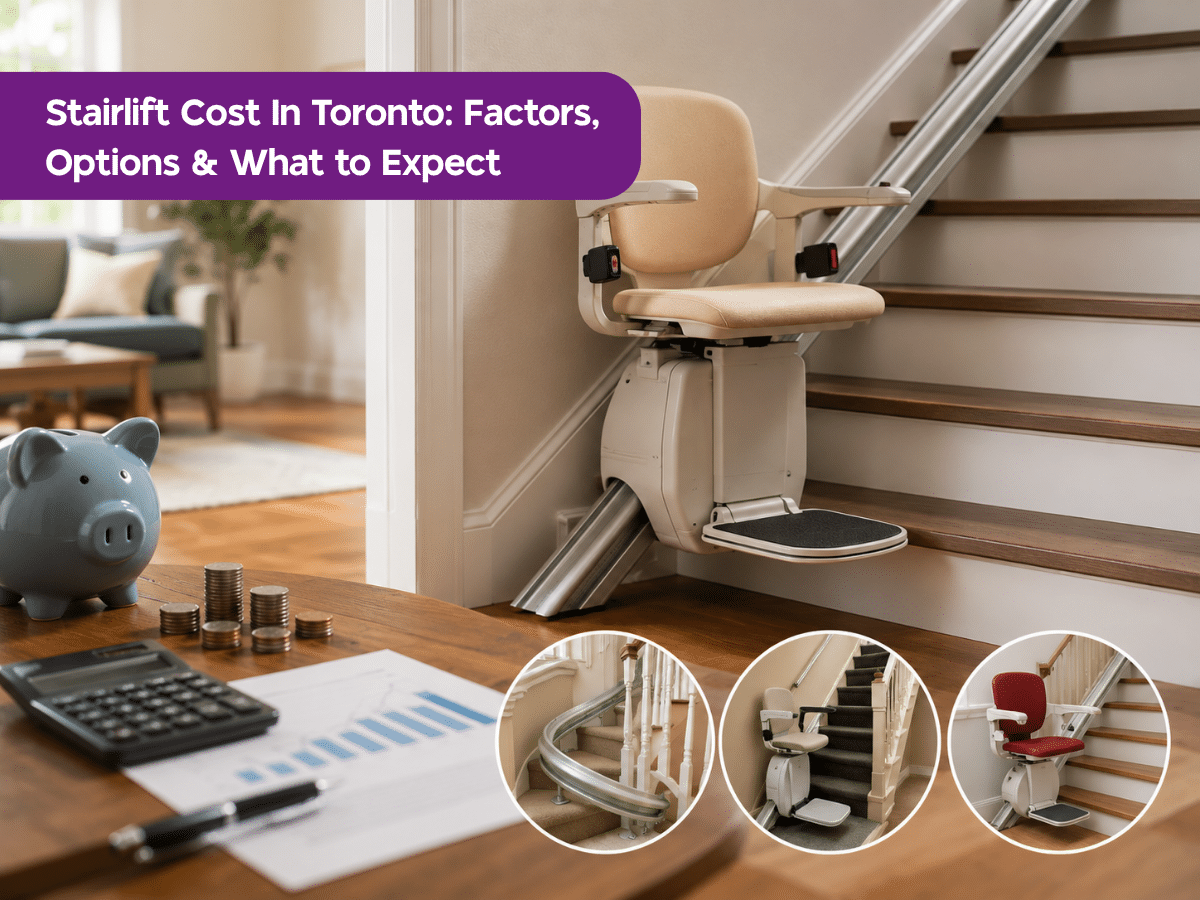
Many homeowners in the GTA choose to install stairlifts as part of their accessibility plans. These systems make it easier and safer to move between floors and are typically eligible under the program. Bathroom safety upgrades are another common improvement. It is important to note, however, that not all expenses qualify. Items such as appliances, routine home maintenance and work completed by unregistered family members are generally not eligible. Also, costs related to purchasing a home or financing renovations are excluded.
Keeping all receipts and documentation is essential. The Canada Revenue Agency (CRA) may request proof of expenses, so proper record-keeping is a key part of claiming the home accessibility tax credit.
How much can you claim?
The Home Accessibility Tax Credit allows individuals and families to claim up to $20,000 in eligible renovation expenses per year. The credit is calculated at a rate of 15%, which results in a maximum tax reduction of $3,000 annually. This limit applies to the total expenses for one or more properties combined within the same tax year. Planning renovations strategically can help ensure you maximize the available benefit.
Filing for the HATC is a straightforward process when you have all the necessary documentation prepared. The Canadian Home Builders’ Association outlines the key steps involved. First, you must complete your personal income tax return for the year in which the renovations were completed. Next, you will fill out the appropriate section of the Federal Worksheet and enter your eligible expenses on Line 31285 of your tax return.
It is important to keep all receipts, invoices and supporting documents related to the renovation. These records will be required if the CRA reviews your claim. Some expenses may also qualify as medical expenses, depending on the nature of the renovation. Consulting with a tax professional can help ensure you are taking full advantage of all available credits.
Frequently Asked Questions (FAQs).
What is the Home Accessibility Tax Credit (HATC)?
It is a federal, non-refundable tax credit that helps offset the cost of home renovations that improve accessibility and safety.
Who qualifies for the HATC?
Seniors aged 65 and older, as well as individuals eligible for the Disability Tax Credit, qualify for the program.
Can a family member claim the credit?
Yes. Supporting relatives such as spouses or children can claim the credit if they meet eligibility requirements.
What types of renovations are eligible?
Eligible renovations include permanent modifications like stairlifts, ramps, accessible bathrooms and grab bars.
What is the maximum credit amount?
You can claim 15% of up to $20,000 in expenses, for a maximum annual credit of $3,000.
Do I need receipts to claim the credit?
Yes. You must keep all receipts and documentation in case of a CRA audit.
Can I combine the HATC with other programs?
In many cases, yes. Some expenses may also qualify under medical expense tax credits or other funding programs.
Do you or a loved one in your home require help with accessibility? To learn all about the high-quality stairlifts offered by LifeCare Mobility Solutions, please don’t hesitate to call us at 416-267-9800 or email us at info@lifecaremobility.ca. You may also contact us by filling out the form on our Contact page!